MI-BOX Calgary Explains How Storage Rental Works
Whether you’re moving to a new home, renovating, or simply running out of space, renting storage can help keep your belongings organized and out of the way. But if you’ve never rented a storage space before, you might not know where to start or which option makes the most sense for your situation.
The process is straightforward once you understand your choices. You’ll need to estimate how much space you need, compare storage options, review the rental terms, and prepare your belongings before moving them into storage.
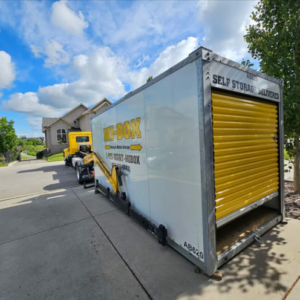
For Calgary residents, traditional self storage isn’t the only option. MI-BOX offers mobile storage containers that are delivered to your property, giving you time to pack at your own pace.
What is a Storage Rental?
Storage rental allows you to pay for space to keep belongings you don’t currently need at home or work. Depending on the provider, you may rent a unit at a storage facility or arrange for a mobile container to be delivered to your property.
Traditional storage units are useful when you want to keep belongings at a facility and visit when needed. Mobile storage works differently because the container comes to you. You load it at your own pace, then arrange for pickup and storage or delivery to another location within the service area.
The right choice depends on your timeline, the items you’re storing, and how you want to access them.
Step 1. Decide What You Need to Store
Before you rent storage, make a list of the items you want to put away. This helps you estimate the space required and avoid paying for more storage than you need.
Start by sorting your belongings into three groups: items to store, items to keep at home, and items to donate, sell, or dispose of.
Consider whether you’re storing a few seasonal items or the contents of several rooms. Furniture, mattresses, appliances, and large boxes can take up more space than expected.
Your reason for needing storage also matters. For example, if you’re renovating your Calgary home, you may need space for furniture and household belongings while work is underway. If you’re between homes, you may need somewhere to keep most of your belongings until your next property is ready.
Step 2. Choose the Right Storage Option
Once you know what you’re storing, decide whether a traditional storage unit or mobile storage container suits your needs.
Traditional self storage requires you to transport your belongings to the facility. You’ll load your unit and return whenever you need access, subject to the facility’s access hours and policies.
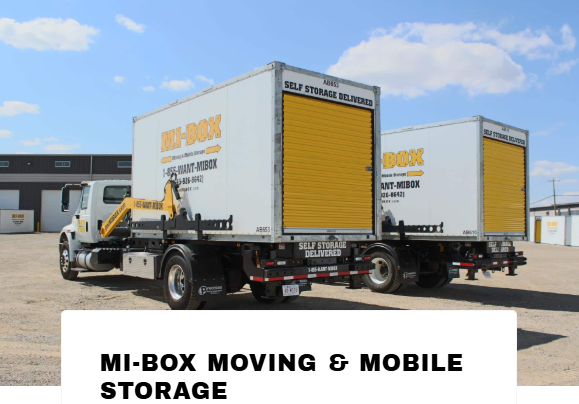
Mobile storage reduces the need to transport everything yourself. MI-BOX delivers a container to your driveway, allowing you to load directly from your home. When you’re finished, you can arrange for the container to be picked up and stored at the MI-BOX facility or moved to another location within the service area.
Mobile storage can be particularly useful for moving, renovations, and decluttering because you can keep your belongings together while you work through your project.
Step 3. Estimate the Space You Need
Choosing the right size is an important part of a storage unit rental. Too little space can make loading difficult, while a much larger space than you need may not be the best use of your budget.
Use your inventory to estimate how much room your belongings will require. Think about bulky furniture, the number of boxes, and whether you’ll need to leave room to reach particular items.
MI-BOX offers three container sizes:
- 8-foot container: Suitable for smaller storage needs, such as a garage renovation or belongings from a one- to two-bedroom apartment.
- 16-foot container: Typically suitable for the contents of a home of around 1,200 square feet, excluding the basement and garage.
- 20-foot container: Typically suitable for the contents of a home of around 1,700 square feet, excluding the basement and garage.
These are general guidelines, not guarantees. The amount of furniture you own and how you pack will affect the space you need. If you’re unsure, discuss your belongings and project with the MI-BOX team before choosing a size.
Step 4. Review the Rental Terms and Total Cost
Before confirming your storage rental, make sure you understand what’s included in the price.
Ask about the rental period, payment schedule, pickup and delivery charges, access arrangements, and any additional fees. If your plans change, find out how extending your rental works and what notice is required to end it.
You should also ask about security and insurance. The Government of Canada’s moving advice guide recommends checking how belongings are protected in storage and confirming what insurance coverage applies.
Don’t assume your existing home or tenant insurance covers everything while it’s stored. Contact your insurer to understand your coverage and whether you need additional protection.
Comparing the full terms, rather than the advertised monthly price alone, helps you make a more informed decision.
Step 5. Prepare and Pack Your Belongings
Good preparation makes storage easier and helps protect your belongings while they’re packed away.
Before loading, clean and dry items where appropriate. Use sturdy boxes, label them clearly, and wrap fragile items with suitable protective materials. Disassemble furniture when practical, keeping screws and small parts in labelled bags.
Keep heavier items in smaller boxes so they’re easier to lift. Place heavier boxes and sturdy items toward the bottom, and avoid stacking belongings in a way that could cause them to fall or become damaged.
Create a simple inventory of what you’re storing, especially for valuable or sentimental items. Keep important documents, medication, jewellery, and other essentials with you rather than packing them away.
Pay attention to what should not go into storage. Flammable materials, hazardous household chemicals, perishable food, and other restricted items may be prohibited. Check your provider’s rules before packing anything you’re unsure about.
For more advice, the Government of Canada’s storage and moving guidance explains important precautions when storing household belongings.
Step 6. Arrange Delivery, Access, or Pickup
If you’ve chosen a traditional storage unit, arrange transportation and confirm when you can move your belongings into the facility. Check access hours, loading areas, and any rules that may affect your moving day.
With MI-BOX, the process is designed to be straightforward:
- Arrange delivery. Contact MI-BOX to organize a suitable container and delivery location.
- Load at your own pace. The container is placed on your property, giving you time to pack without rushing to complete everything in one day.
- Schedule pickup. Once you’re finished, contact MI-BOX to arrange pickup. Your container can be taken to the storage facility or delivered to another location within the service area.
Before delivery, make sure there’s adequate space for safe placement and pickup. If you’re in a Calgary condo or townhouse, check property rules and confirm that the proposed location is suitable.
Make Storage Easier With MI-BOX Calgary
Storage rental doesn’t have to mean moving everything into a unit yourself. The right option depends on how much space you need, how long you’ll need it, and whether you prefer to visit a facility or load a container at home.
MI-BOX Calgary offers mobile storage for homeowners who need extra room during a move, renovation, or other life changes. You choose a suitable container, load your belongings at your own pace, and arrange pickup when you’re ready.
If you’re looking for storage in Calgary and want a flexible way to manage your belongings, contact MI-BOX to discuss your project and request a quote. We’ll help you find a practical storage solution that works with your timeline.